
8 Warning Signs of an Unhappy Scalp

Scalp issues usually fall into a few categories: dryness, hair thinning, excess oil, microbial overgrowth or inflammation. Each category produces predictable signs. White flakes differ from yellow ones. General itch differs from localised soreness. Learning to spot the difference helps you choose the right response.
Below are eight warning signs, a short explanation for each and a practical suggestion for what to do next. Let’s keep it simple.
1. Persistent Itching That Scratching Does Not Satisfy
Occasional itch after a workout or a sweaty hat is normal. But an itch that lingers for days and feels deeper than the surface suggests irritation or inflammation. This often points to a mild yeast overgrowth or a reaction to a product you have been using for months without issue. Your scalp is basically waving a small white flag.
What You Can Try: Switch to a gentle, sulphate‑free shampoo for two weeks. If the itch remains, try an anti‑dandruff shampoo with piroctone olamine twice weekly.
2. Greasy Roots by Midday After an Evening Wash
Washing your hair at night and waking up with fresh roots is reasonable. Feeling greasy before lunch the next day is not. That fast oil return usually means your scalp is overcompensating. Harsh shampoos strip too much sebum, so your glands panic and pump out extra. You get trapped in a cycle of washing more and oilier scalps.
What You Can Try: Switch to a milder cleanser and give your scalp time to balance its sebum levels.
3. White, Powdery Flakes That Dust Your Shoulders
Small, dry flakes that fall off easily usually signal a dry scalp. This happens in colder climates after over-washing, but in Singapore, it could be the aftermath of spending too long under air conditioning, implying that the skin lacks moisture. Unlike dandruff, these flakes usually are not yellow or greasy. They just look like tiny snowflakes, especially on a dark jumper.
What You Can Try: Use a hydrating scalp essence or toner to help replenish moisture. Use a humidifier in your bedroom if the indoors are dry.
4. Yellowish, Greasy Flakes That Stick to Your Hair
These are different. They look waxy and cling to your strands rather than falling freely. That is classic dandruff, caused by an overgrowth of Malassezia yeast. Your scalp produces extra oil, the yeast feeds on it and the result is inflammation and consequently those stubborn, clumpy flakes. You might also notice mild redness behind the ears or along the hairline.
What You Can Try: Use a dandruff shampoo with ketoconazole or piroctone olamine daily for at least a week or two to see a difference (just make sure it does not contain harsh surfactants). Leave it on for five minutes before rinsing. This is best followed with a scalp lotion that helps with dandruff.
5. Tenderness or Soreness When You Touch Your Parting
Your scalp should not feel tender to light touch. If parting your hair for a ponytail or a simple brush stroke causes discomfort, something is inflamed. Possible culprits include a mild fungal infection, a reaction to a new hair dye or even tension from tight hairstyles. That soreness is your scalp asking you to be gentler.
What You Can Try: Stop any tight buns or braids for a week. Switch to a soft bristle brush and avoid heavy styling products until the tenderness fades. Apply soothing scalp lotion with anti-inflammatory properties to calm irritation and sensitivity.
6. Small, Painful Pimples Along Your Hairline
Scalp acne looks like tiny red bumps, sometimes with a white head. They can hurt more than face pimples because the skin is more sensitive. Common triggers are sweat trapped under hats, heavy conditioners that do not rinse fully or dirty pillowcases. Your hair follicles get clogged and inflamed. It’s not inherently dangerous but very irritating.
What You Can Try: Wash your pillowcases twice weekly. Swap heavy conditioners for lightweight, non‑comedogenic formulas. Avoid touching or picking the bumps.
7. A Burning Sensation After Using Your Regular Products
That warm, stinging feeling is not normal. Even with strong active ingredients, a healthy scalp should not burn. You may have developed a sensitivity to a specific preservative, fragrance or sulphate. The reaction can appear suddenly even with products you have used for years. Your scalp is essentially rejecting something you are putting on it.
What You Can Try: Stop using the suspect product immediately. Wash your scalp with sulfate-free shampoo and use a scalp lotion designed specifically for sensitive scalp.
8. Sudden Shedding More Than Your Usual Hair Loss
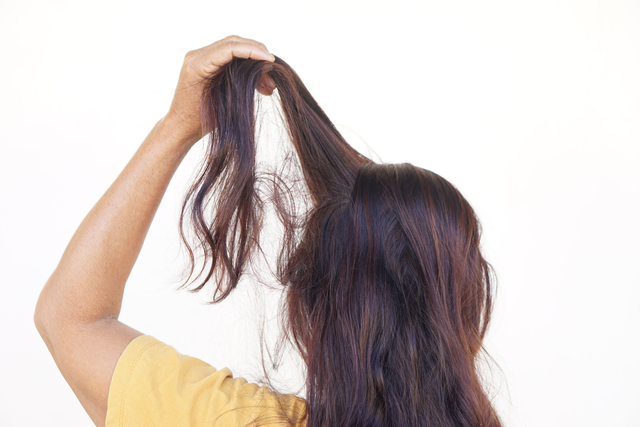
Losing 50 to 100 hairs daily is normal. Finding clumps on your pillow, in the shower drain, or wrapped around your hairbrush is not. A sudden increase in shedding often traces back to a scalp issue that occurred two to three months earlier: a high fever, major stress, a harsh chemical service, or chronic inflammation. The scalp essentially pushes more hairs into the resting phase at once, a condition known as telogen effluvium. Luckily, the hair will usually regrow within three to six months.
What You Can Try: Wash your hair daily (prioritise a well-cleansed scalp), and switch to an anti-hair loss shampoo and scalp lotion to help control thinning.
Every Signal Has a Solution
Your scalp is resilient. Give it the right conditions and it usually balances itself. The signs listed here are just signals, not catastrophes. If you notice one, try the corresponding fix, but if nothing changes, make sure to consider a professional opinion.
Discover top-quality scalp care products at Glamour Salon System now. Alternatively, get in touch with us for personalised recommendations for your specific scalp needs.