
Haircare Essentials Every Beginner Should Own

Starting your haircare journey does not require a shelf full of expensive potions. A consistent and simple daily routine will transform how your hair behaves day to day. These are the quiet heroes that professional stylists trust. Here is what each one actually does for you.
Shampoo
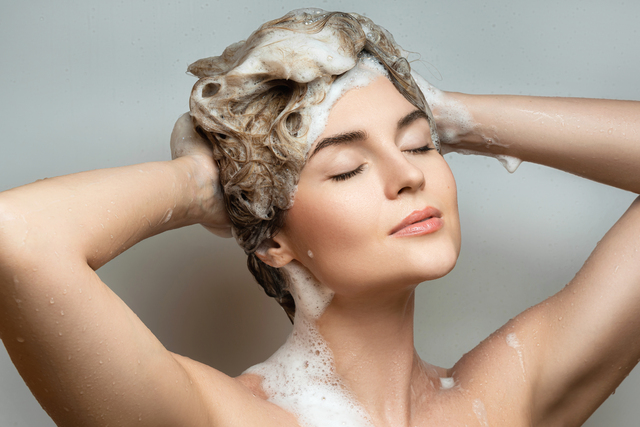
Take a peek at the ingredient list of a decent shampoo. You will find mild surfactants, for example, sodium lauroyl methyl isethionate, which grab onto both oil and water. Formulators also adjust the pH and add preservatives to keep the bottle fresh. Picking one for your scalp type (oily, dry or normal) matters more than the promises on the front label. A dry scalp needs completely different ingredients to an oily one.
What It Does
Massage a small amount into your roots and those clever surfactant molecules break down sebum, sweat and styling residue. Rinsing washes everything away, leaving your scalp clean without stripping its natural barrier. It is important to use enough shampoo to properly cleanse both your scalp and hair, especially if you use styling products regularly. A good tip is to work the shampoo into a rich lather before massaging it through your roots and lengths, and to choose a formula without harsh surfactants that may leave your hair feeling dry or stripped.
Conditioner
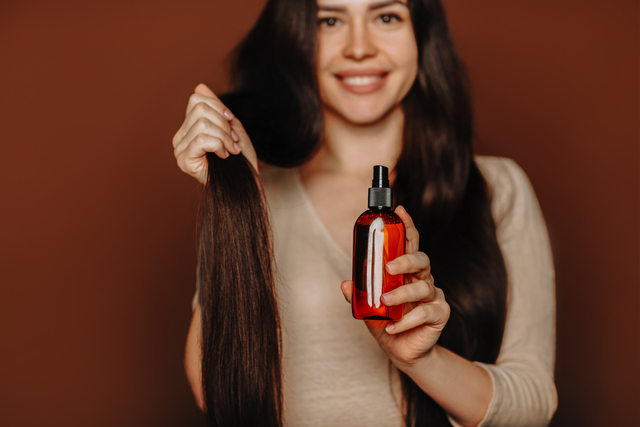
Have you ever wondered why conditioner feels so different to shampoo? That creaminess comes from fatty alcohols (like cetearyl alcohol), cationic surfactants and often plant oils or silicone derivatives. These positively charged ingredients are attracted to the slightly damaged, negative areas of your hair. Humectants such as glycerin pull moisture from the air straight into your strands.
What It Does
After shampooing, your hair cuticle stands up, which creates friction and tangles. Conditioner smooths that cuticle back down, locking in moisture and killing static electricity. You will notice immediate slip — fingers or a wide‑tooth comb will glide through without resistance. Keep the product on your mid‑lengths and ends.
Keep in mind that most conditioners and hair masks on the market are not designed to be applied directly onto the scalp. So unless the label specifically states that the formula is suitable for both the scalp and hair, keep it focused on your mid-lengths and ends instead. That simple switch helps prevent greasy roots while keeping dry ends soft and manageable.
Wide-Toothed Comb
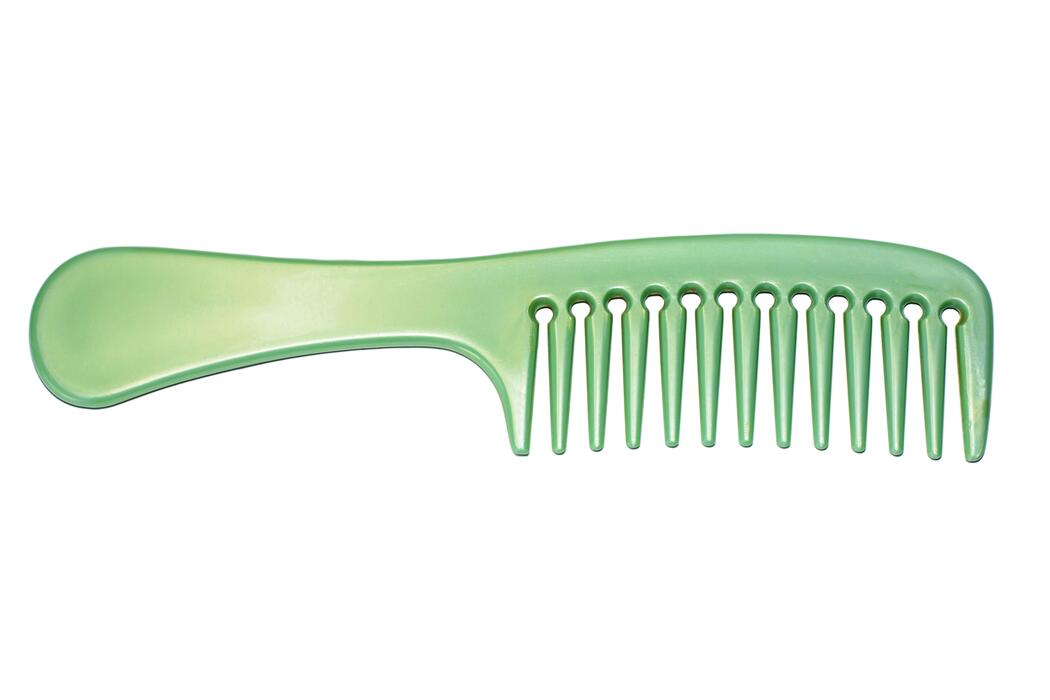
Look for six to eight rounded teeth spaced roughly half a centimetre apart. Seamless plastic or polished wood works best because sharp edges scratch your scalp. Unlike a brush with dense bristles and annoying ball tips, this comb has no snag points. You can even leave one in your shower caddy without worrying about rust.
What It Does
Use it on damp, conditioned hair, starting from the ends and working upward (detangling in layers — not one full stroke from top to bottom). That method prevents painful ripping and reduces breakage significantly compared to brushing wet hair. The wide gaps let water and conditioner pass through freely rather than pulling at knots. Keep this simple tool handy. It will save you from post‑wash frustration every single time, and your hair will stay longer and healthier.
Leave-In Conditioner
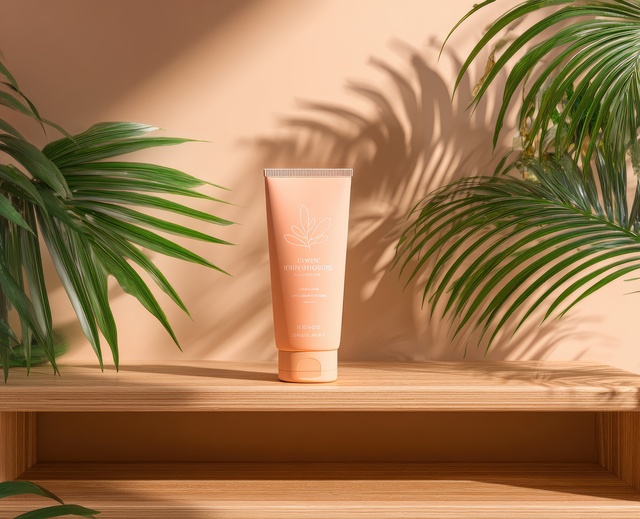
Imagine a conditioner that never gets rinsed away. That is leave‑in conditioner, a lighter, water‑based formula you apply after your regular conditioner. It usually comes as a spray or a cream pump. Common ingredients include aloe vera, panthenol (a form of vitamin B5) and avocado oil that do not feel greasy. Many beginners mistake it for an unnecessary step but it is really a time‑saver.
What It Does
Once absorbed into damp hair, it provides ongoing hydration for hours. The cuticle stays smooth, which reduces frizz on humid days. People with fine hair may also experience weightless moisture without going flat. Those with thick or curly hair enjoy better slip for detangling between washes. You can even reapply a tiny amount on dry ends when they look parched. Treat it as a glass of water that your hair sips slowly all day. No more crispy ends by 3pm.
Hair Oil
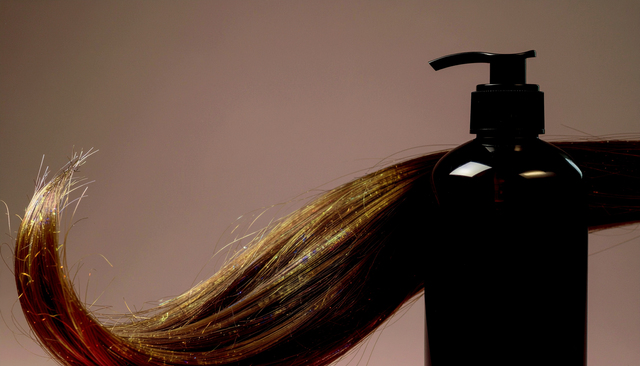
Not all oils feel greasy. A good hair oil blends natural extracts (argan, jojoba or coconut) with lab‑made esters that mimic your skin’s own sebum. The molecules are smaller than those in a typical conditioner, so they penetrate the hair shaft rather than sitting on top. Pure oils contain no water. Many salon versions add a drop of vitamin E to stop the oil from turning rancid.
What It Does
Warm a few drops (depending on hair length) between your palms and smooth over damp ends before blow‑drying. That simple move can help seal moisture inside each strand. On dry hair, two more drops on the mid‑lengths and ends create instant shine and kill static electricity. Do not put oil on your scalp (unless you favour a greasy look). Fine hair should only see oil on the last two inches, while thick or coily hair can take more.
Heat Protectant Spray
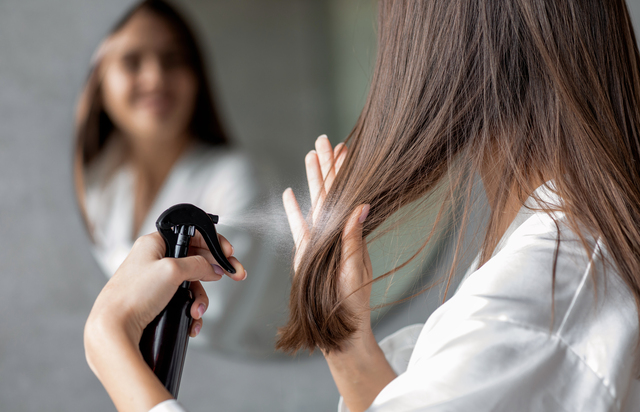
That mist you spray before using a hairdryer or straightener contains film‑forming polymers (such as polyquaternium‑55) and often silicone derivatives. These ingredients are dissolved in alcohol or water so they spread evenly across every strand. Some versions include hydrolysed proteins that temporarily fill in tiny gaps along the cuticle. The spray dries fast and leaves no visible residue.
What It Does
When heat hits your hair, the polymers create a thin sacrificial layer. That layer absorbs part of the heat (up to 220°C on some products) and evaporates instead of your hair’s own moisture. Without this barrier, water inside your strands boils, forming bubbles that permanently weaken the hair from the inside. Hold the bottle fifteen centimetres away and spray each section once. One even coat is enough. Your future self, with fewer split ends, will thank you.
Microfibre Towel or Hair Turban
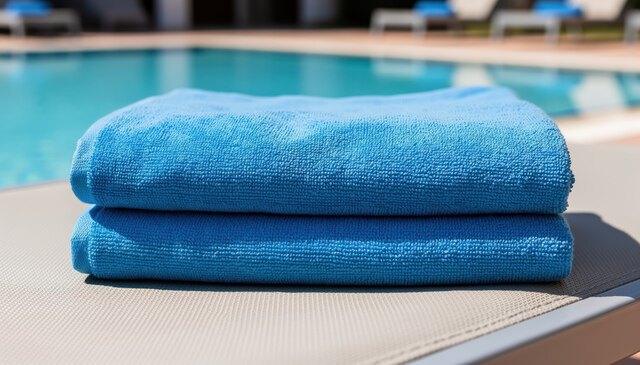
Ever noticed how a regular cotton towel feels rough on wet hair? Microfibre is different. Made from ultra‑fine polyester and polyamide fibres that are one hundred times thinner than a human hair, these towels create a massive surface area for absorbing water. The turban style has an elastic loop or button to hold it in place. It feels almost velvety and weighs next to nothing.
What It Does
Wrap your hair in one for 10 to 15 minutes after washing. The fabric pulls out excess water quickly without you needing to rub or twist, which is the main cause of frizz and breakage. Cotton towels have rough loops that catch on the cuticle and lift it up. Microfibre glides smoothly and cuts drying time by about half. Less heat exposure later means healthier ends. Pop a turban on while you do your skincare routine; your hair will feel nearly in place before you even reach for the hairdryer.
Hair Mask (Deep Conditioner)
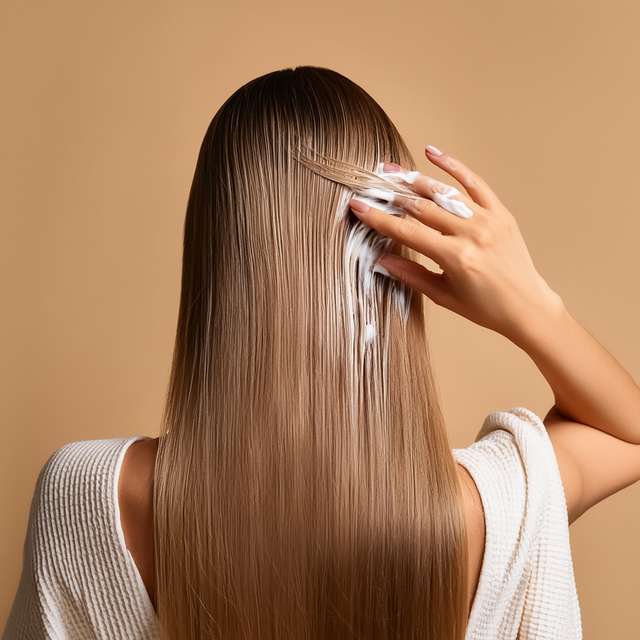
Another conditioner? Yes, but more like the usual conditioner’s more intense cousin. It comes in tubs or sachets and has a pudding‑like consistency that does not drip. You will find high levels of fatty compounds (such as shea butter) and often protein sources such as hydrolysed keratin or silk amino acids. You leave it on for five to 20 minutes, not two.
What It Does
Use it once a week or every 10 days. The fatty compounds fill in gaps along the cuticle, making hair feel smoother and look shinier. Proteins temporarily patch weak spots but require balancing with moisture, so stick to the timing on the label. Apply from mid‑length to ends, clip your hair up and finish your shower. Rinse with cool water to lock the benefits in. Your hair will feel noticeably thicker and softer afterwards. Even one mask session can improve how your hair feels after a week of heat or friction.
Other Handy Essentials
Below are additional products that many beginners find useful. You do not need to buy them all at once. Pick the ones that solve a specific problem you actually have.
• Dry Shampoo: An aerosol or powder that soaks up oil at the roots without water. Shake the can, spray onto your parting lines, wait thirty seconds, then massage in. Ideal for second‑day hair or when you overslept. (Keep it away from naked flames, as it is flammable.)
• Detangling Spray: A very lightweight mist with slip agents and often a little citric acid to smooth the cuticle. Spray onto dry or damp knots before combing. Children and people with fine tangly hair benefit the most. It smells nice too.
• Scalp Massager/Shampoo Brush: A silicone or soft plastic tool with short cones. Use it in small circles while shampooing to lift dead skin cells and product buildup. It also feels surprisingly relaxing, like a mini head massage after a long day.
• Satin or Silk Pillowcase: A pillow cover with a very smooth weave. Cotton absorbs your hair’s natural oils and creates friction as you move in your sleep. Satin or silk lets your hair slide, reducing morning tangles and split ends. Your skin benefits too.
• Bobby Pins and Snag‑Free Hair Ties: Simple tools that keep hair away from your face and reduce how often you touch it. Look for seamless elastics (no metal join) and pins with rounded, coated ends. Tossing your hair back constantly with a bare elastic causes breakage at the same spot every time. Your ends will stay fuller.
Make Every Centimetre Count

Your hair endures daily stress from sun, friction and even your pillowcase. A little consistent care pays off in extra shine and fewer bad mornings. Fun fact: the average person loses 50 to 100 hairs a day, which is completely normal. Give the ones that stay the love they deserve. Discover professional grade haircare products at Glamour Salon System today.