
Why Healthy Hair Starts With a Healthy Scalp

Have you ever spent 20 minutes masking your ends only to wonder why they still feel rough? The answer sits two centimetres above your forehead. Your scalp is living skin, not a neutral platform. Ignore it and your hair pays the price. This guide explains the real connection, then shows you exactly what to do.
The Scalp Houses the Hair Follicle (Not the Other Way Around)
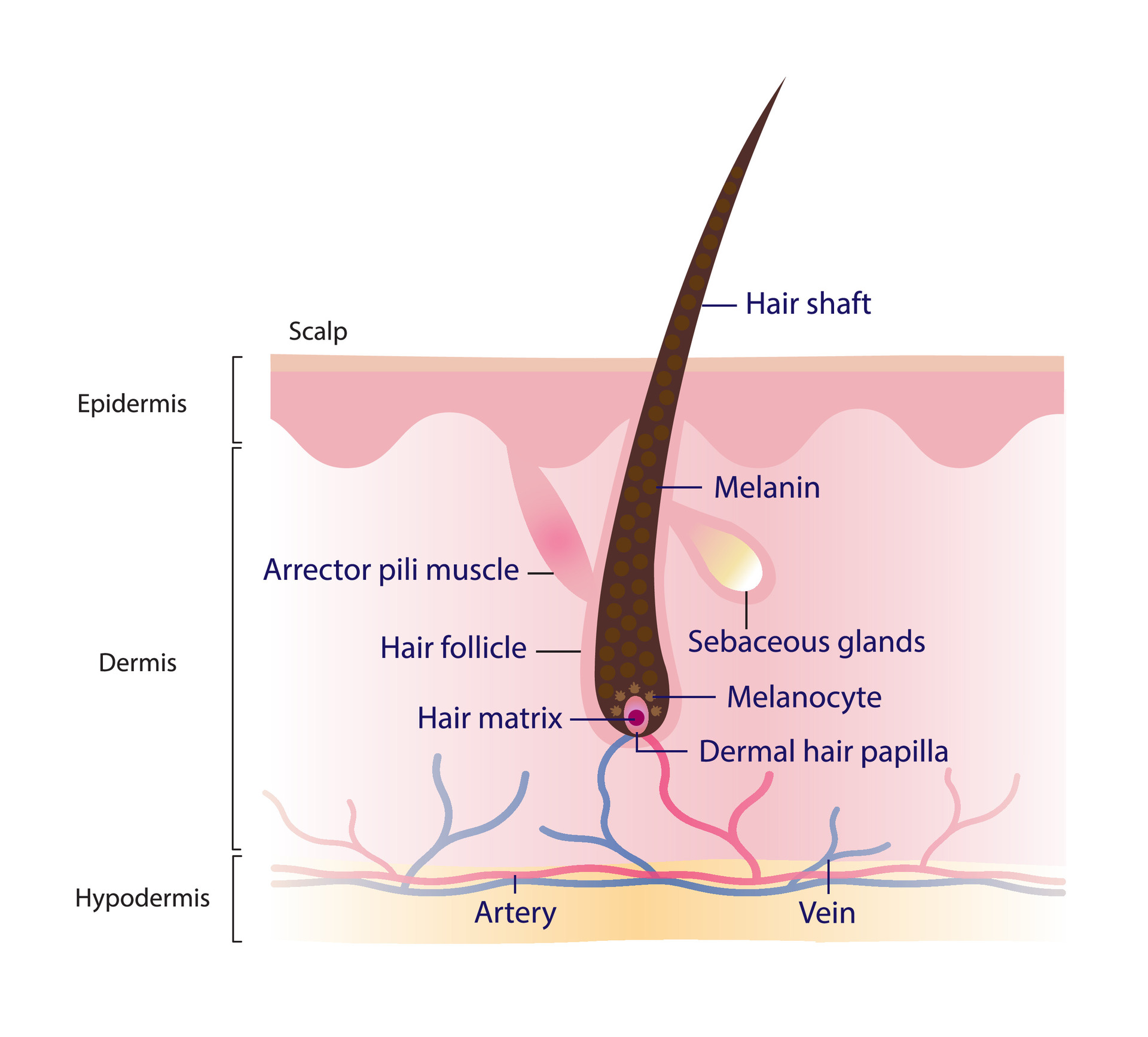
Every single strand on your head starts deep inside a follicle, a tiny organ rooted in the dermis layer of your scalp. That follicle receives blood, oxygen and nutrients from the vessels directly beneath your skin. If your scalp becomes inflamed, clogged or dehydrated, the follicle shrinks or stops producing altogether. You cannot inject conditioner into your bloodstream. But you can improve the environment around each follicle by keeping your scalp clean, exfoliated and well circulated. Treat the factory and the product improves.
Sebum is a Protector But Only When It Is Fresh
Your sebaceous glands release oil onto the scalp surface to lubricate hair as it emerges. Fresh sebum is liquid and protective. Within about 48 hours, which can be shorter or longer depending on skin type, microbiome and environment, exposure to air and bacteria turns it thick, waxy and irritating. That oxidised layer blocks new growth and traps dead skin cells. Washing your scalp removes the old, harmful sebum while leaving the fresh cycle intact. Waiting too long between washes does not save moisture, but instead creates a crust that suffocates your roots.
Dead Skin Builds Up Faster Because Hair Traps It
Unlike the smooth skin on your arm, your scalp has thousands of hairs acting like tiny fences. Dead skin cells that shed naturally do not all fall away. They get caught in the mesh. Mixed with sebum and styling residue, they form a biofilm that feels greasy, looks flaky and smells stale. This film physically blocks follicles. A gentle exfoliating scrub or detoxifying treatment once every fortnight can help remove that layer without stripping healthy oils. Your hair will feel lighter at the roots immediately.
Shampoo Only Works If It Reaches the Skin
If you apply shampoo only to the top of your head, you are essentially leaving half your scalp untouched. The crown, nape and hairline still produce oil and shed cells. Massaging product into those areas with your fingertips (never nails — as much as it feels good) for two full, productive minutes ensures surfactants break down everything. To make this easier, consider sectioning your hair into four parts before you step into the shower. Rinse until the water runs completely clear as any leftover residue acts like cling film on your follicles, slowing growth and causing itchiness.
Dry Ends Do Not Mean You Should Wash Your Scalp Less
Many people skip washes because they fear drying out their lengths. But it is not the act of washing that causes dryness but how you care for your hair during and after the wash. A proper shampoo should still be worked through the scalp and gently pulled through the lengths and ends to cleanse away buildup. Notably, the key difference comes after cleansing, when the conditioner or hair mask must be applied to the mid-lengths and ends to restore moisture and smooth the cuticle.
Once you step out of the shower, a leave-in conditioner or lightweight treatment helps lock in hydration and protect the hair throughout the day. When these steps are in place, you can wash regularly without fear — your scalp stays clean, and your lengths stay soft and supported.
Scalp Massage Increases Blood Flow, and Blood Flow Feeds Hair
Your follicles rely entirely on capillaries for oxygen and glucose. Gently moving the scalp skin in small circles dilates those blood vessels. A 2016 study measured a significant increase in hair thickness after six months of daily four‑minute massages. No oil required. Place your palms flat on either side of your head and mobilise the tissue, not just your hair. Work from your hairline to your nape. If your scalp feels sore the next day, ease the pressure. Remember that it’s supposed to be a relaxing habit (not a wrestling match).
Flakes Tell You Exactly What Your Scalp Needs
White, powdery flakes that fall onto your shoulders signal a dry scalp. You can try switching to a sulphate‑free shampoo and adding a few drops of squalane oil to your conditioner. Yellowish, greasy flakes that stick to your hair point to an overgrowth of the yeast Malassezia globosa. That is dandruff. A shampoo with piroctone olamine or ketoconazole anti-fungals twice a week for a month usually sorts it out. Never ignore weeping or bleeding patches. Those need a GP, not a product.
A Healthy Scalp Routine Takes Two Minutes More Than Yours Does Now
Add a 60‑second scalp massage before you rinse out your conditioner. Swap your regular shampoo to one without harsh surfactants instead. Use a scalp-focused leave-on product to boost hydration and protection. These small changes cost almost no extra time but affect how your hair grows. You will notice less shedding, more volume at the roots and fewer mysterious itches. While it won’t transform overnight, after six weeks of consistent scalp care, someone will ask what you changed about your hair. Then, you can tell them you started paying attention to the skin you once forgot about.
Get to the Root Cause
You can slather your ends in gold‑infused serums all day. If your scalp is unhappy, you are only polishing a problem. Start at the root. Literally. Discover professional grade scalp and haircare products at Glamour Salon System. We have been haircare specialists for over 30 years, with partnerships and distribution lines trusted by stylists and salons all over Singapore. Get in touch with us here and prioritise your scalp health, as you should.